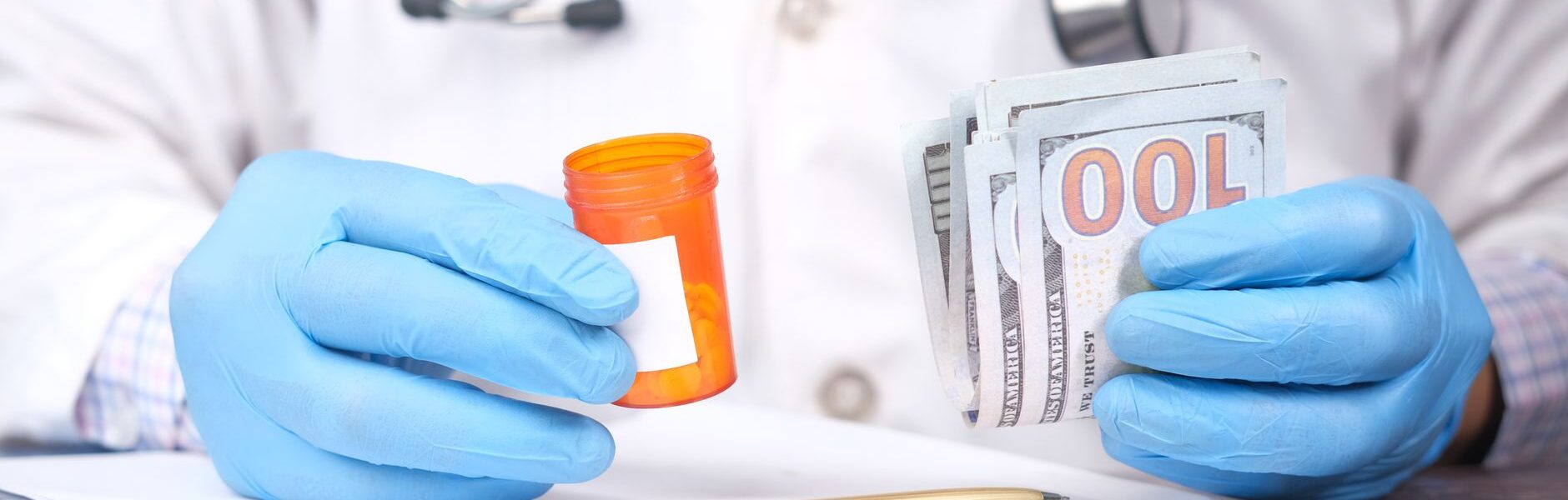

Cancer drug prices are about to change dramatically as the government revises rates for 137 medicines. This significant drop could mean better access and affordability for patients in need.
Overview of Price Changes
Recent developments indicate a significant shift in the landscape of cancer drug prices, with the government announcing a revision of rates for 137 essential medications. This overhaul is projected to lead to savings of up to 70% for patients relying on these vital treatments. The decision comes in response to growing concerns over the affordability of cancer therapies, which have been a burden on many families.
Key points regarding the price changes include:
- Wide Reach: The price reduction will affect a diverse array of cancer medications, ensuring more patients can access necessary treatments without financial strain.
- Government Initiative: This move reflects a proactive approach by the authorities to enhance healthcare affordability and accessibility for those battling cancer.
- Impact on Patients: With lower costs, patients may experience reduced out-of-pocket expenses, allowing them to focus more on their treatment and recovery rather than financial worry.
As these changes take effect, many hope that this will mark a pivotal moment in addressing the high costs associated with cancer drug prices, ultimately leading to better health outcomes and improved quality of life for those affected by cancer.
Impact on Patients
The recent announcement regarding the significant reduction in cancer drug prices is poised to have a profound impact on patients across the nation. As the government revises rates for 137 essential medications, many individuals battling cancer can expect to see their treatment costs decrease dramatically.
For patients and their families, these changes bring a sense of relief and hope. The ability to access life-saving medications at more affordable prices means that:
- Financial Burden Alleviation: Many patients have faced overwhelming costs associated with cancer treatments. The drop in prices will ease this financial strain, allowing families to allocate resources to other necessary expenses.
- Improved Treatment Adherence: With lower costs, patients may be more likely to adhere to their prescribed treatment regimens, leading to better health outcomes.
- Expanded Access: Reduced prices may also enable more patients to access therapies that were previously out of reach, leading to a broader range of treatment options.
While the reduction in cancer drug prices is a positive step forward, ongoing efforts will be essential to ensure that all patients can benefit from these changes in the long term.
Government’s Role in Pricing
The recent announcement regarding cancer drug prices has sparked discussions about the government’s significant role in pricing strategies. By revising rates for 137 essential cancer medications, authorities aim to ensure that life-saving treatments are more accessible to patients in need.
This intervention is part of a broader initiative to address the soaring costs of healthcare, particularly in oncology, where prices have historically been a barrier to treatment. The government’s revised pricing strategy is expected to lead to a reduction of up to 70% in cancer drug prices, a change that could have profound implications for patients and healthcare providers alike.
As the cost of cancer treatments often burdens families financially, this move is seen as a crucial step in alleviating some of that pressure. Advocates for affordable healthcare argue that such governmental actions are essential for promoting equity in treatment access. Furthermore, with these changes, the focus shifts to how the healthcare system can support patients while encouraging pharmaceutical companies to maintain innovation in drug development.
Ultimately, the government’s role in pricing cancer drugs is a vital component of the ongoing conversation about health equity, patient rights, and the sustainability of healthcare systems.
List of Affected Medicines
The recent revisions to cancer drug prices have brought significant changes to the market, impacting a variety of essential medications. The following is a list of some of the affected medicines that are now available at reduced rates:
- Drug A: Initially priced at $10,000 per month, now reduced to $3,000.
- Drug B: From $8,500 to $2,550, offering substantial relief for patients.
- Drug C: Previously costing $15,000, now available for $4,500.
- Drug D: Dropped from $12,000 to $3,600, providing a critical option for treatment.
- Drug E: A reduction from $20,000 to $6,000, ensuring access to necessary care.
These price changes are part of a broader effort to make cancer treatment more affordable and accessible for patients. The reductions in cancer drug prices are expected to have a positive impact on health outcomes, making life-saving medications available to a larger number of individuals. As the government continues to revise pricing structures, ongoing monitoring will be essential to ensure that patients benefit from these changes.
Future of Cancer Treatment Costs
The future of cancer treatment costs appears promising as recent developments indicate a significant shift in pricing. Following government intervention, cancer drug prices are projected to decrease by up to 70%, providing relief to countless patients and their families. This reduction is not only a financial win but also a vital step towards making life-saving medications more accessible.
Experts believe that these changes could revolutionize the landscape of cancer care. With lower prices, more patients may be able to afford necessary treatments without sacrificing other essential needs. Healthcare providers are optimistic that these price adjustments will lead to higher rates of treatment adherence, ultimately improving patient outcomes.
However, the sustainability of these prices remains a topic of discussion. Stakeholders are encouraged to monitor the long-term effects on pharmaceutical companies and the overall healthcare system. Key factors such as research funding and innovation should remain priorities to ensure that advancements in cancer therapies continue.
As the market adjusts, it will be crucial for patients, providers, and policymakers to collaborate in navigating these changes effectively. The ongoing dialogue surrounding cancer drug prices will play a vital role in shaping the future of cancer treatment.
Photo by Towfiqu barbhuiya on Pexels
Read the original
Related stories